



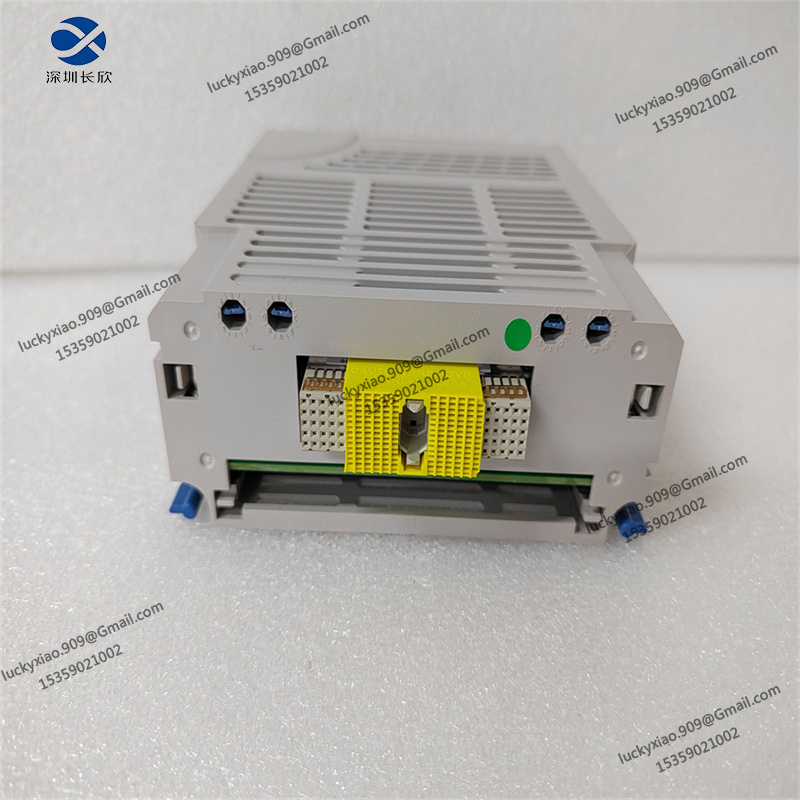
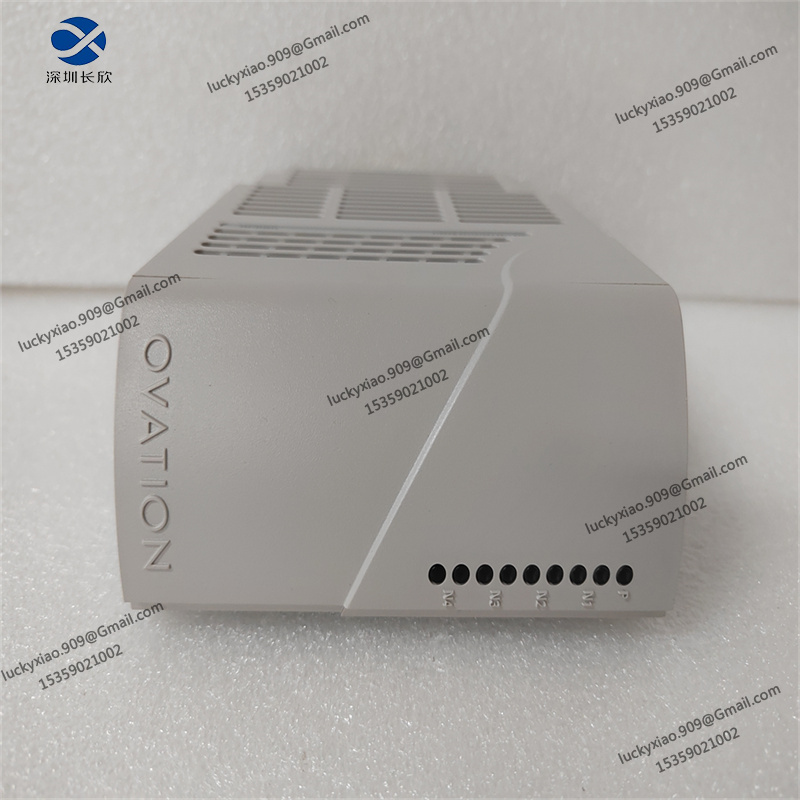
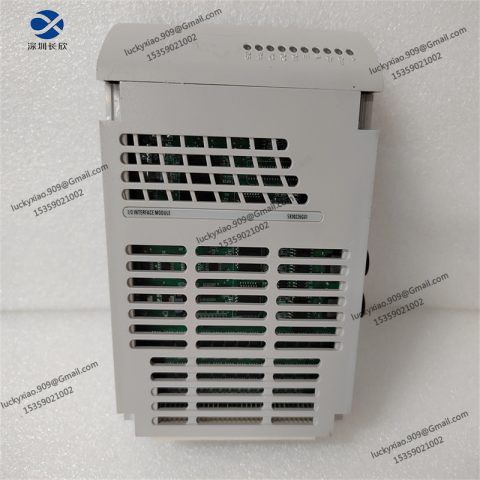
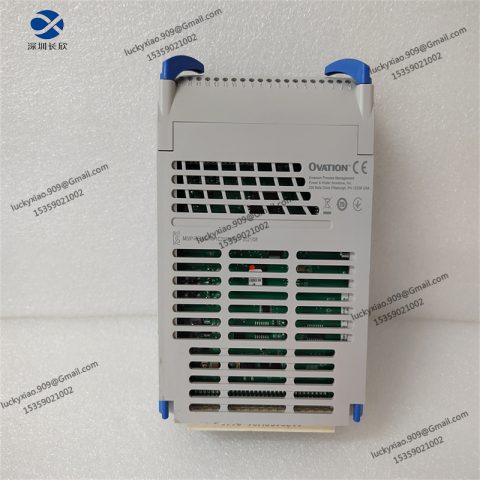
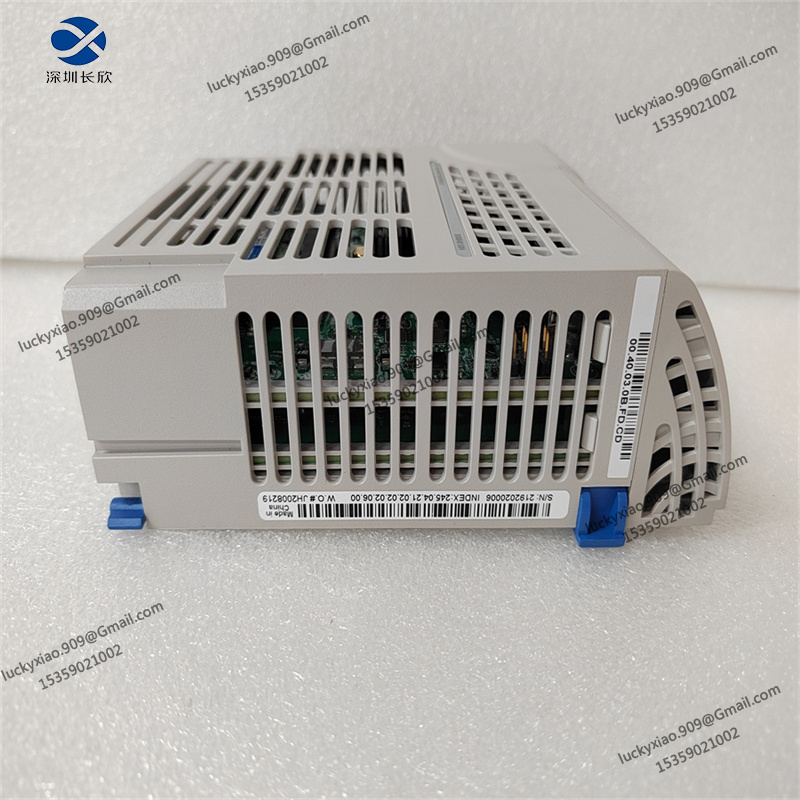
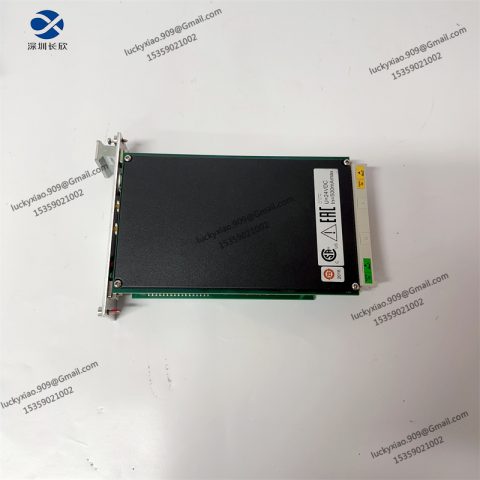
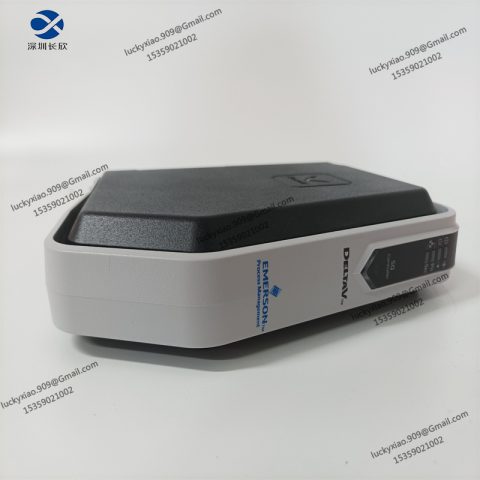
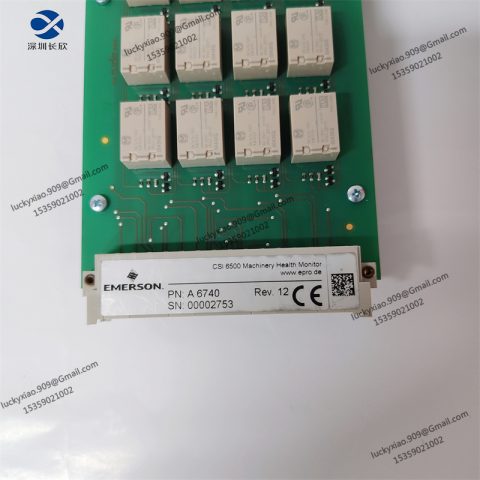
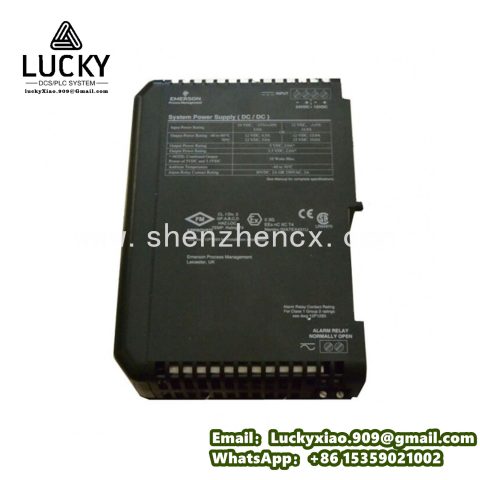
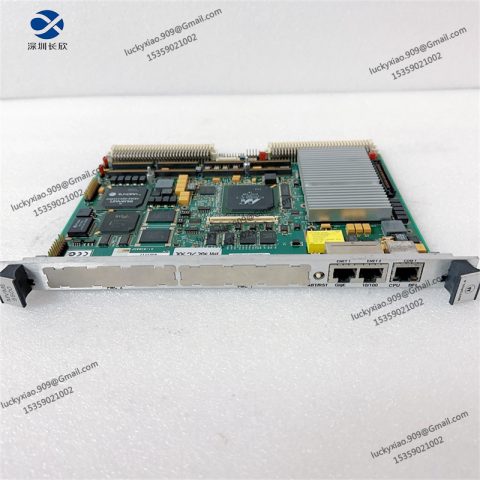
Emerson 5X00481G04 is a key CPU controller module belonging to the Ovation OCR1100 series, which is a vital part of Emerson’s Ovation Distributed Control System. It can manage up to 32,000 control points and support diverse control strategies like regulation, sequential control and data acquisition, with a 1-millisecond resolution for integrated sequence of events recording. The module enables seamless connection with the Ovation network and various I/O subsystems, and also supports integrated virtual I/O for third-party OEM systems via Ethernet protocols. Featuring redundant design for bumpless automatic failover, fanless operation and non-volatile storage for configuration data, it works stably at -40°C to 70°C and meets IEC 61131 – 3 standards. It is widely applied in power generation, petroleum, chemical and steel industries to guarantee reliable operation of critical industrial control processes.
Emerson’s Ovation system is a distributed control system (DCS) specifically designed for the power generation and water/wastewater treatment industries. As a reliable innovation platform, it provides comprehensive control capabilities and powerful system integration. The main components of Ovation system include:
1. Host: It is the core of the entire system, responsible for data processing, storage, and forwarding, as well as controlling the execution of logic.
2. Screen: It is an interface for users to interact with the system, used to display real-time data, alarm information, trend charts, etc., and allows users to set parameters and control operations.
3. Sound system: Provides sound alarm function. When the system detects abnormal situations or faults, it will emit sound prompts through the sound system, so that operators can respond in a timely manner.
4. Projector: In some applications, it may be used for large screen display, allowing multiple people to simultaneously view system status and operation information.
5. Touch devices: such as touch screens, provide an intuitive operating interface, allowing users to easily perform various controls and settings.
6. Control system: including control logic, algorithms, and strategies, used to achieve precise control of industrial processes.
7. I/O modules and interfaces: used for connecting and exchanging data with external devices such as sensors, actuators, etc. These modules can convert signals from external devices into digital signals that the system can recognize, or convert control signals from the system into instructions that external devices can execute.
8. Communication and network equipment: Ensure data communication and information sharing between internal components of the system and between the system and other external systems.
9. Software and firmware: including operating systems, control software, databases, etc., to provide necessary support and guarantees for the normal operation of the system.
For more detailed information, please click here:https://www.szcxgk.com/chanpinzhongxin/
There are no reviews yet.