


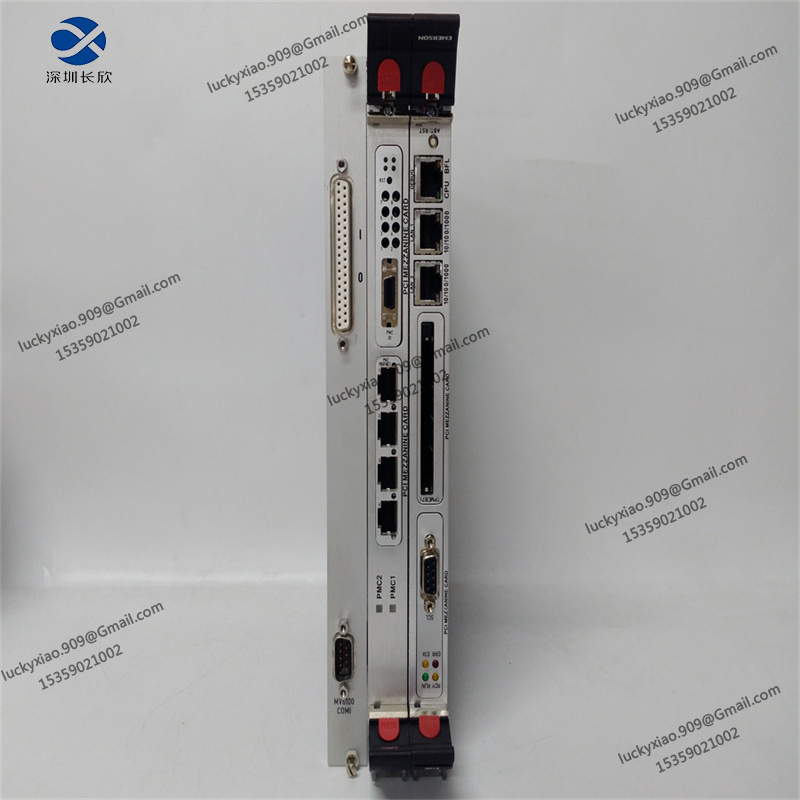
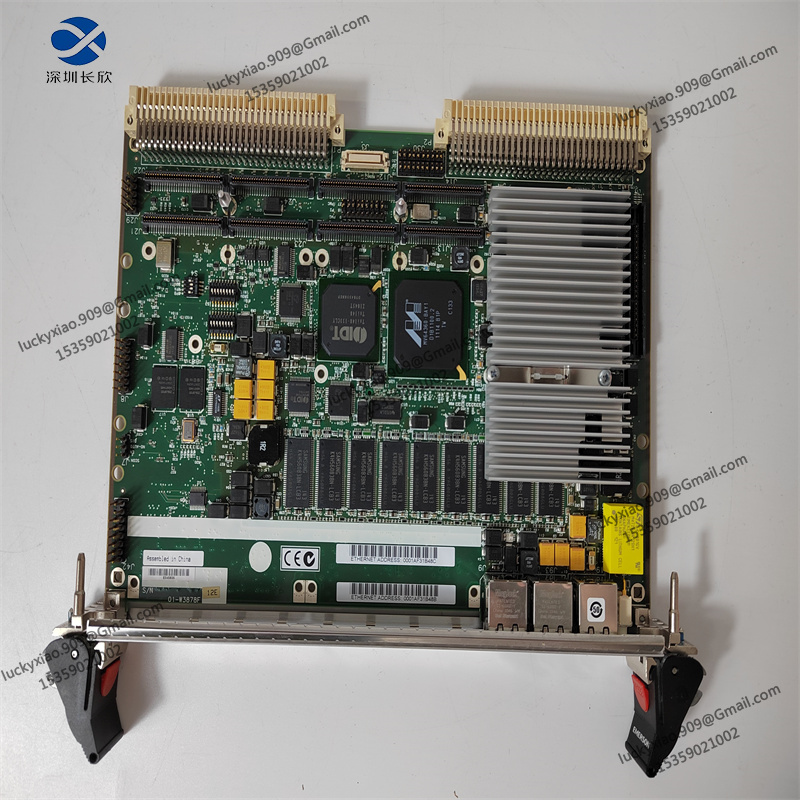
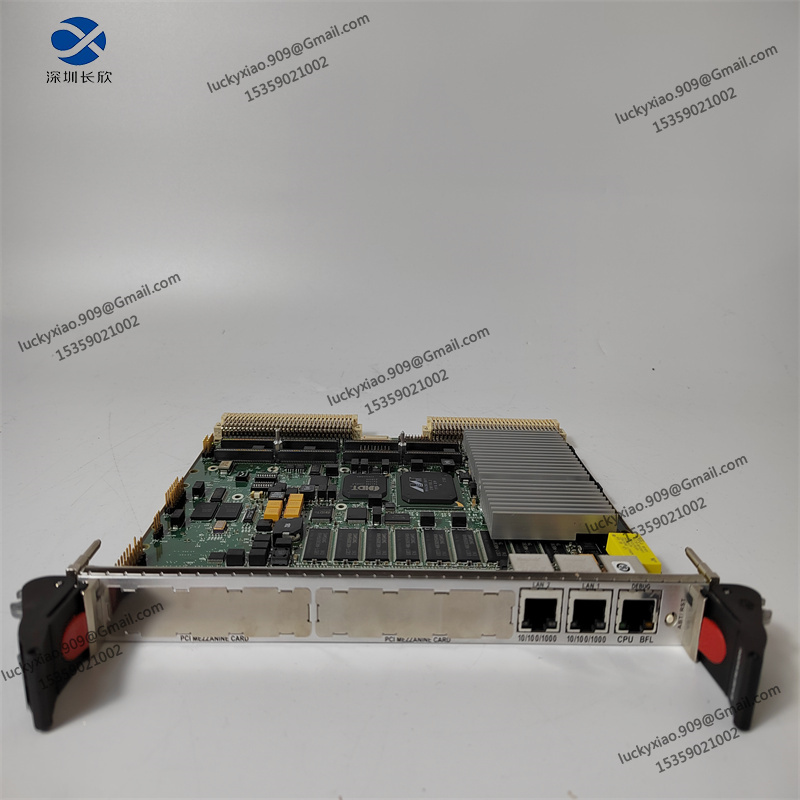
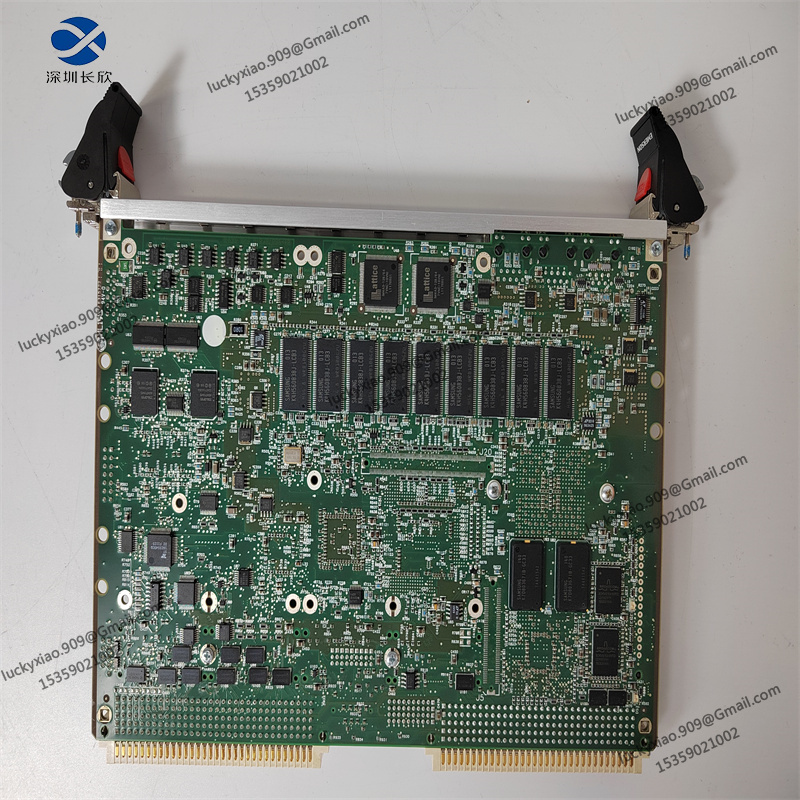
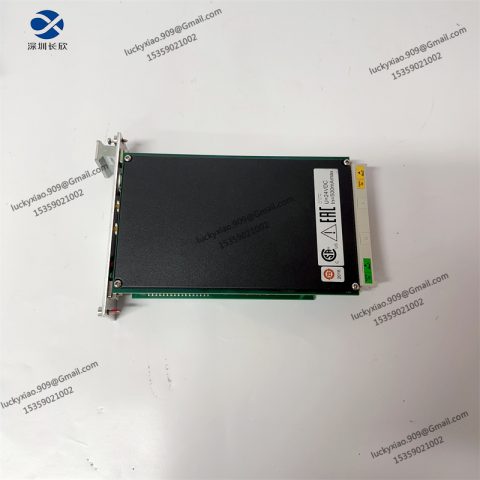
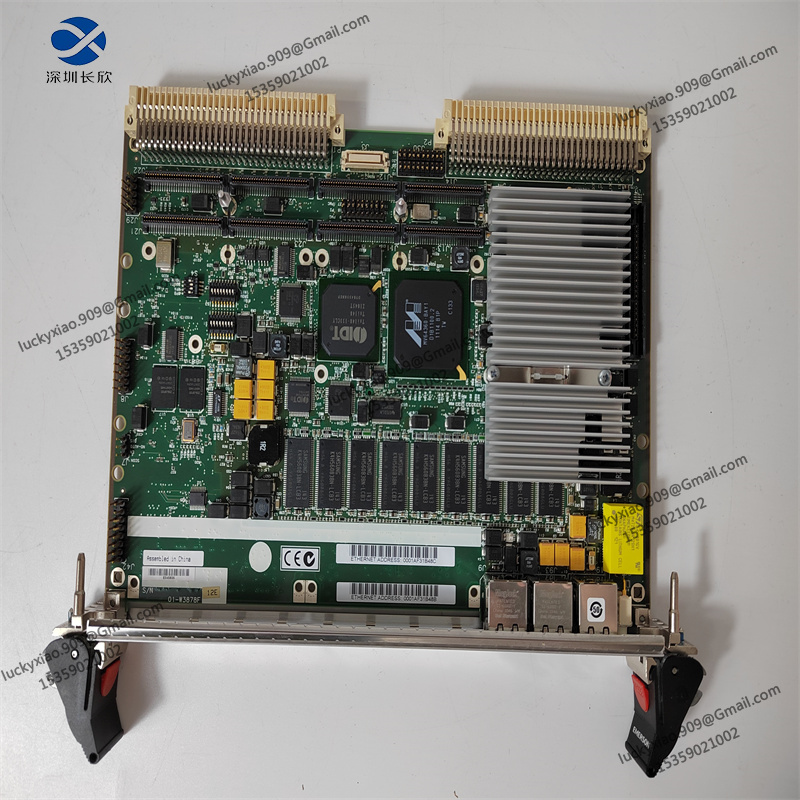
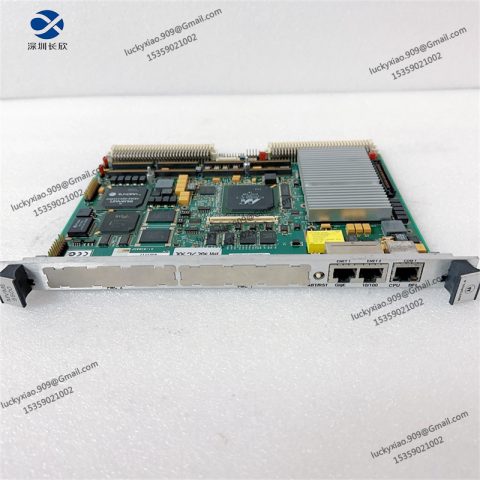
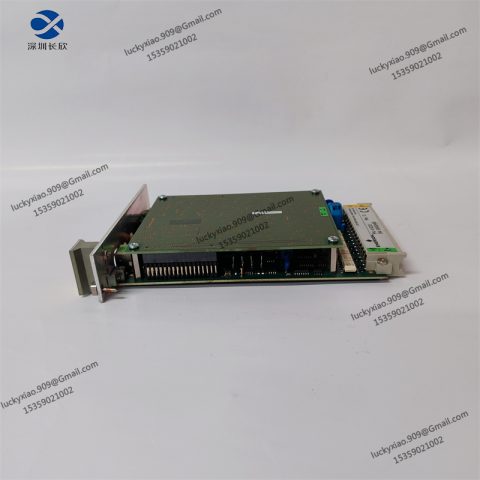
Emerson MVME6100 is a high-performance 6U VME single-board computer (SBC) that serves as a core computing unit for mission-critical embedded systems. It is equipped with a powerful PowerPC processor (such as the MPC7457) along with an AltiVec Vector Processing Unit, paired with up to 1GB DDR2 SDRAM and a CompactFlash slot for storage, enabling efficient handling of complex algorithms and real-time data processing. It features rich connectivity including dual Gigabit Ethernet ports, two USB 2.0 ports, multiple serial ports and a VGA display interface, while supporting expansion via PMC/XMC slots and adhering to the VME64x bus standard for data transfer speeds up to 320 MB/s. Built with industrial-grade ruggedness, it operates stably in temperatures ranging from -40°C to 85°C and resists harsh conditions like vibration and electromagnetic interference, with compatibility with operating systems such as VxWorks and Linux. Widely applied in aerospace, national defense, industrial automation and telecommunications, it plays a pivotal role in radar systems, power generation control, train scheduling and other scenarios requiring high reliability and real-time performance.
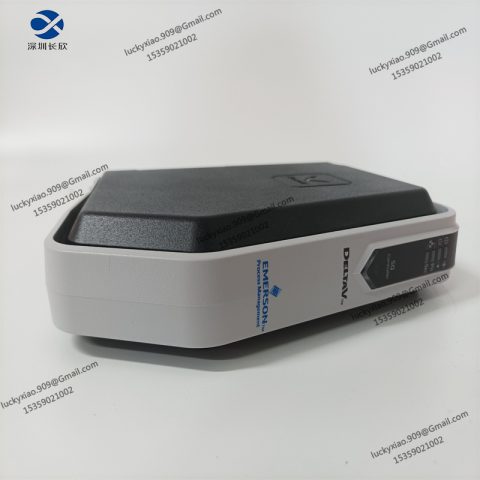
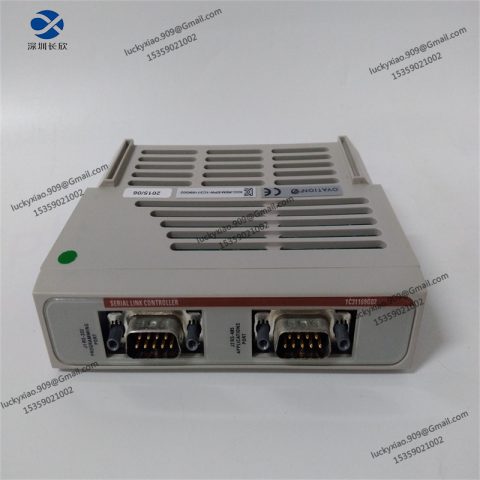
Emerson’s Ovation system is a distributed control system (DCS) specifically designed for the power generation and water/wastewater treatment industries. As a reliable innovation platform, it provides comprehensive control capabilities and powerful system integration. The main components of Ovation system include:
1. Host: It is the core of the entire system, responsible for data processing, storage, and forwarding, as well as controlling the execution of logic.
2. Screen: It is an interface for users to interact with the system, used to display real-time data, alarm information, trend charts, etc., and allows users to set parameters and control operations.
3. Sound system: Provides sound alarm function. When the system detects abnormal situations or faults, it will emit sound prompts through the sound system, so that operators can respond in a timely manner.
4. Projector: In some applications, it may be used for large screen display, allowing multiple people to simultaneously view system status and operation information.
5. Touch devices: such as touch screens, provide an intuitive operating interface, allowing users to easily perform various controls and settings.
6. Control system: including control logic, algorithms, and strategies, used to achieve precise control of industrial processes.
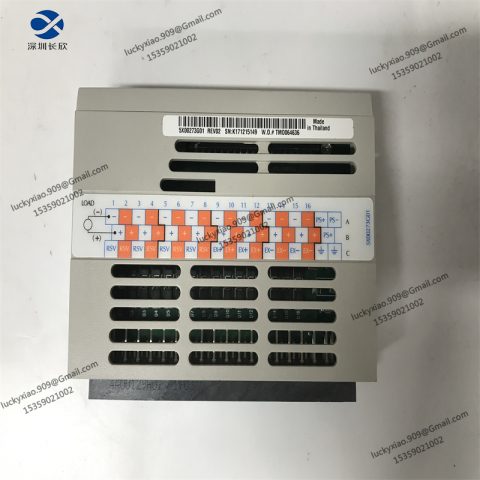
7. I/O modules and interfaces: used for connecting and exchanging data with external devices such as sensors, actuators, etc. These modules can convert signals from external devices into digital signals that the system can recognize, or convert control signals from the system into instructions that external devices can execute.
8. Communication and network equipment: Ensure data communication and information sharing between internal components of the system and between the system and other external systems.
9. Software and firmware: including operating systems, control software, databases, etc., to provide necessary support and guarantees for the normal operation of the system.
For more detailed information, please click here:https://www.szcxgk.com/chanpinzhongxin/
There are no reviews yet.