





GE IS200TRLYH1BGF Product Overview
IS200TRLYH1BGF Product Introduction
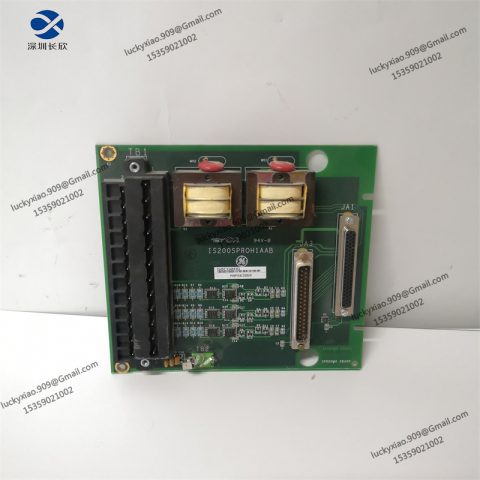
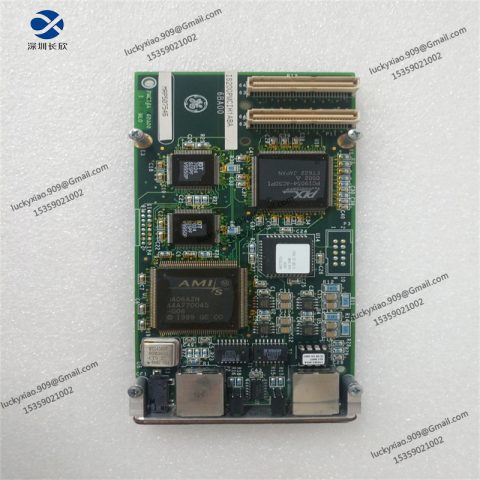
The GE IS200TRLYH1BGF is a relay output module designed for the Mark VI turbine control platform. It converts low-power logic commands into isolated mechanical contacts that drive field devices such as trip solenoids, alarm circuits, and motor starters. The pluggable relay sockets allow fast field replacement during maintenance windows.

IS200TRLYH1BGF
IS200TRLYH1BGF Technical Specifications
When specifying a relay board, engineers focus on contact ratings, isolation strength, and the physical form of the relay itself. The table below summarizes the core electrical and mechanical data that guides cabinet design and spare-parts planning.
|
Parameter
|
Value
|
|---|---|
|
Module Type
|
Relay output terminal assembly
|
|
Control Platform
|
GE Mark VI Speedtronic turbine control
|
|
Rack Compatibility
|
Standard Mark VI VME control rack
|
|
Relay Construction
|
Pluggable, mechanically latching optional variants
|
|
Contact Configuration
|
Form A / Form C dry contacts per channel
|
|
Coil Supply
|
Isolated DC coil drive from backplane supply
|
|
Operating Temperature
|
-30°C to +70°C
|
|
Storage Temperature
|
-40°C to +85°C
|
|
Humidity Tolerance
|
5% to 95% non-condensing
|
|
Front Panel Features
|
Energized LEDs per channel, captive screw terminals
|
Operating Procedure and Maintenance
Installing the board starts with rack slot identification. Each relay output board occupies a fixed position in the control cabinet, and the backplane connector carries both the logic drive signal and the isolated coil supply. Once seated, field wires land on the front terminal block, with each channel clearly numbered to match the relay socket directly behind it.
Power-up follows a deliberate sequence. With the field circuit de-energized, technicians apply control power and observe that the board’s self-test LEDs complete their boot cycle. They then energize each channel individually through the Mark VI configuration tool, confirming that the corresponding relay clicks and its front LED lights. A multimeter on the field-side contact verifies that the mechanical contact has actually closed, not just that the coil is powered.
Over time, electromechanical relays wear out. Contact erosion from inductive loads is the usual culprit, and symptoms appear as intermittent dropouts or a failure to switch. The pluggable socket design means a technician can swap a suspect relay in seconds, pull the old one for bench inspection, and carry on — no board removal, no rewiring, no interruption to redundant control loops.
Application Areas
Relay output boards find their home wherever a low-voltage digital command needs to control a higher-power or higher-voltage field circuit without compromising the controller’s isolation.
-
Steam turbine emergency trip systems — switching the trip solenoid that drains the trip oil header and closes the stop valves.
-
Gas turbine flame detection circuits — energizing fuel-shutdown contacts when flame is lost.
-
Plant annunciator and alarm banks — activating window lamps and audible horns in the central control room.
-
HVAC and lube-oil system control — sending start/stop commands to cooling fans and lube-oil pump motor starters.
Across these roles, the relay board earns its keep by being disposable: when a contact wears out, you replace a $20 relay instead of a whole control board.
Recommended Same-series Modules
The IS200 family contains a full complement of I/O, termination, and processing boards designed to plug into the same Mark VI rack. The modules below cover functional areas the relay output board does not address.
-
IS200TPROS1CBB — Turbine protection termination board that runs independent overspeed voting logic.
-
IS200VTURH2BAC — Turbine I/O signal conditioning board for speed probes, LVDTs, and bearing sensors.
-
IS200HSLAH2ADE — High-speed serial link board connecting the rack to operator workstations.
-
IS200STCIH6AED — Turbine control interface board for start/stop commands and permissive contacts.
-
IS200DSPXH1DBD — Digital signal processor board for speed-governing and vibration analysis algorithms.
-
IS200CABHE1B — Communication backplane board linking control layers and remote I/O racks.




There are no reviews yet.